Department of Sociology & Anthropology, Makerere University info@usaaug.org 0772 525 487

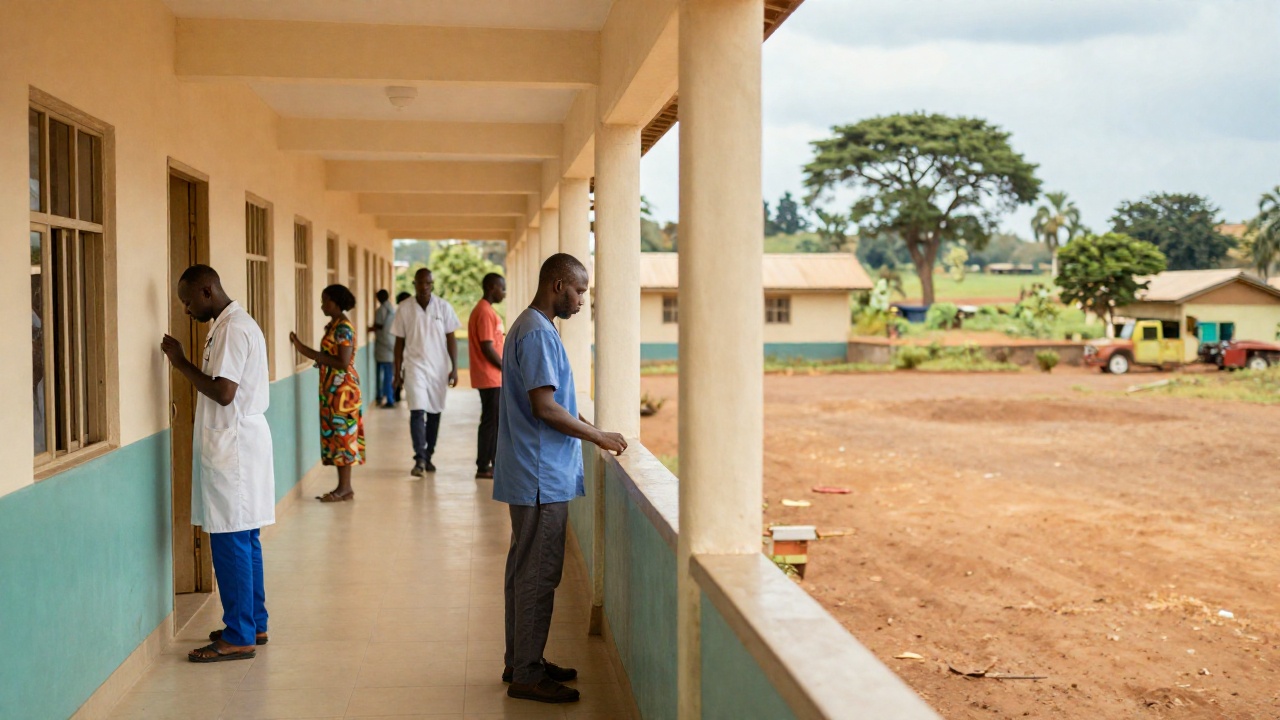
The Health Sector Crisis: Absenteeism, Corruption, and Their Impact on Uganda’s Governance and Youth Employment
President Museveni's recent address to the NRM Parliamentary Caucus highlights the persistent issues of absenteeism and corruption in Uganda's public health sector. Beyond service delivery, these problems manifest broader systemic governance challenges and youth employment potential.

Introduction
In a bid to address chronic challenges plaguing Uganda's public health sector, President Yoweri Kaguta Museveni has directed new focus on absenteeism and corruption during a gathering with the National Resistance Movement (NRM) Parliamentary Caucus. This move not only draws attention to administrative inefficiencies but also touches upon broader socio-political themes such as governance, youth unemployment, and social inequality.
Sociological and Anthropological Analysis
The President's pronouncements underscore the stark interconnectedness between governance and socio-economic realities. Absenteeism and corruption in health facilities are not isolated incidents but are symptomatic of deeper institutional fragility. The governance failure at this level makes the state's inability to deliver basic services palpably visible to the average citizen.
Anthropologically, absenteeism detracts from the societal moral economy that views the public worker's presence as a reflection of commitment to communal care. This absence erodes trust in state institutions and exacerbates class disparities, as wealthier Ugandans pivot to private healthcare, leaving poorer families to navigate the perilous waters of a failing public system.
Institutional Implications
Health facilities act as critical interfaces where citizens experience state governance firsthand. Persistent staffing issues, drug shortages, and supervision failures signify broader institutional incompetency. Such deficits suggest the need for policies that prioritize transparent recruitment, robust oversight, and improved staff incentives to ensure equitable healthcare access.
Youth Perspectives
Interestingly, Museveni's reference to unemployed youths as potential replacements for absentee doctors indicates an attempt to address the pressing issue of youth unemployment. While this may open avenues for new job opportunities, the possibility remains rhetorical unless backed by reforms that foster transparent and merit-based recruitment processes. The youth in Uganda remain cautiously optimistic, wary of promises unaccompanied by structural changes.
Governance Dimensions
At its core, this crisis questions the state’s capacity to enforce policy and deliver on its promises. Uganda's long-standing governance challenges—from politicized appointments to weak incentives—have rendered public office vulnerable to inefficiency and patronage. While Museveni's recent statements may bolster political capital, without systemic reform, they risk being perceived as mere anti-corruption rhetoric.
Cultural Dimensions
This public health conundrum further reflects tensions between Ugandan cultural narratives that exalt hard work and accountability versus a practical reality riddled with institutional breakdowns. Public sentiment often targets visible public health workers, though the roots of dysfunction lie in deeper systemic inadequacies.
Future Implications
Looking ahead, the Ugandan government's ability to tie its anti-corruption stance to tangible outcomes through concrete policy reform remains crucial. Without improvements in recruitment, facility resourcing, and grievance mechanisms, the cycle of disappointment and distrust remains unbroken.
Conclusion
Thus, President Museveni's latest directive brings to the fore significant themes that include youth employment, governance, and public trust in state systems. By framing healthcare shortfalls as both accountability issues and lost youth opportunities, the need for sweeping institutional reforms becomes even more evident.
Sources
- Daily Monitor. (n.d.). President Museveni orders crackdown on health sector absenteeism, PDM corruption. Retrieved from Ground News
- Uganda Sociological & Anthropological Association (USAA). Available at https://usaaug.org