Department of Sociology & Anthropology, Makerere University info@usaaug.org 0772 525 487

Unveiling the Treatment Gap: A Sociological Analysis of HIV Viral Suppression Among Young Ugandan Women
Examining the intersection of gender, age, and institutional access in understanding health disparities among young Ugandan women living with HIV.

Introduction
The recent survey reported by New Vision highlights a critical concern in Uganda's public health landscape: only 64.1% of young women aged 15-24 living with HIV achieved viral suppression in 2025. This figure starkly contrasts with the national adult average of 86%, indicating a significant treatment gap that puts young women at continued risk of illness progression and further transmission of the virus.
Sociological and Anthropological Analysis
From a sociological perspective, the disparity in viral suppression rates among young women is not merely a biomedical issue; it is deeply rooted in social determinants of health, such as gender inequality and structural violence. The lack of viral suppression among young women can be attributed to intersectionality—the overlapping identities and vulnerabilities of age, gender, and socioeconomic status, which result in compounded disadvantages.
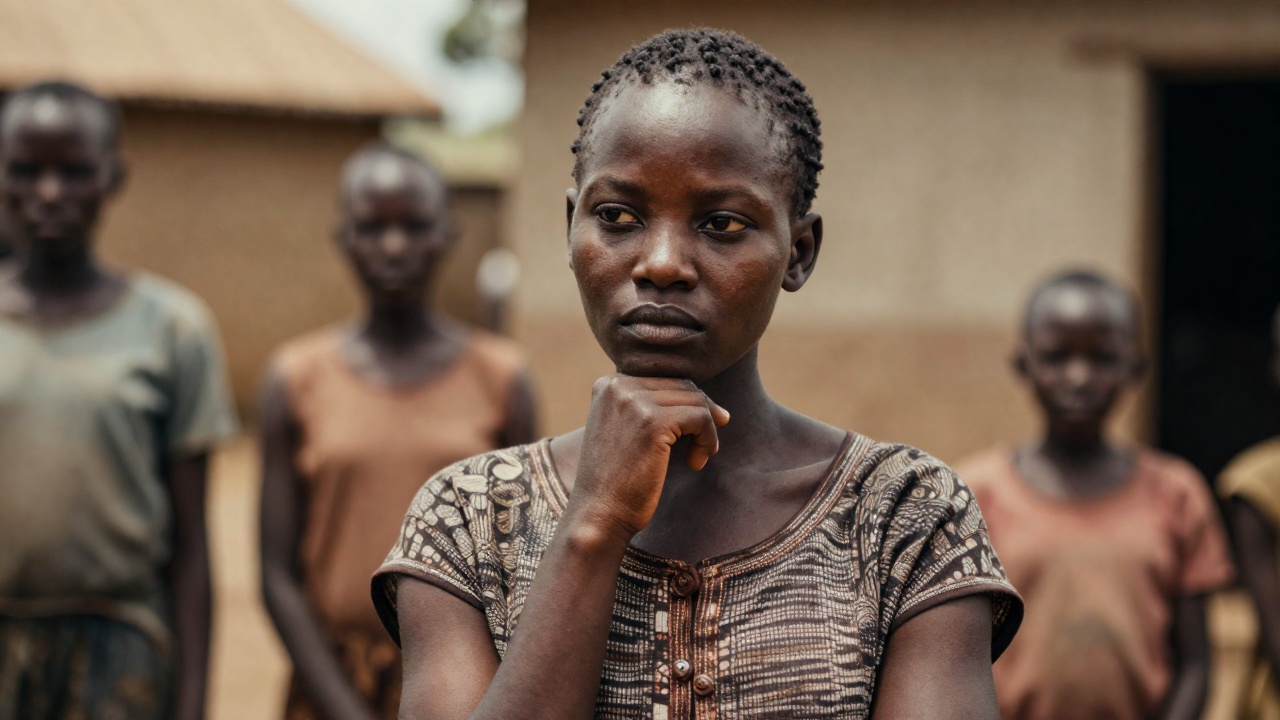
Anthropologically, the lived experiences of young women in Uganda illuminate how societal expectations and stigma around femininity and health secrecy impact their ability to adhere to HIV treatment regimens. The pressures to maintain respectability, manage disclosure, and navigate power imbalances within relationships further hinder their access to consistent care.
Institutional Implications
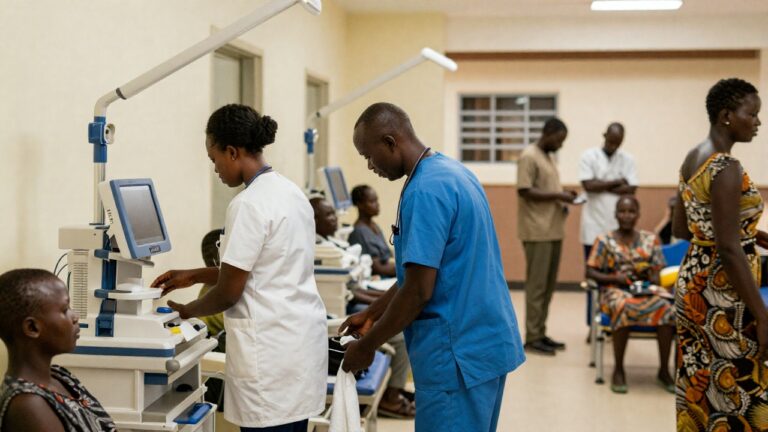
Institutions play a pivotal role in addressing this treatment gap. However, the current healthcare system may fall short in providing youth-friendly, confidential, and comprehensive services that cater to the unique needs of adolescents and young adults. Barriers such as waiting times, provider attitudes, and lack of integrated care for HIV, sexual and reproductive health, and mental health services contribute to this gap.
Youth Perspectives
The transition from adolescence to adulthood is a critical period marked by significant challenges. Factors such as economic insecurity, school transitions, and early unions create additional obstacles for young women striving to maintain viral suppression. The reliance on parents or partners for accessing healthcare facilities adds another layer of complexity.
Governance Dimensions
Public health policy must be re-evaluated to address these gaps. The government needs to prioritize prevention funding, targeted outreach, and integration of HIV services within the broader context of youth policy. The empowerment of civil society and faith-based organizations is also vital in reducing stigma and fostering supportive environments.
Cultural Dimensions
Culturally, the narrative surrounding young women's health intersects with norms of silence around sexuality, placing additional burdens on those seeking medical care. Addressing these cultural barriers requires community-based approaches that promote open conversations and peer support networks.
Future Implications
The findings suggest that failing to address the treatment gap could exacerbate existing cycles of gendered vulnerability. Conversely, effectively redesigning health delivery to align with the social realities of young Ugandan women presents an opportunity to promote positive health outcomes and reduce inequalities.
Conclusion
The survey serves as a call to action to rethink our approach to youth health in Uganda. By addressing the multifaceted barriers young women face in achieving viral suppression, it is possible to enhance public health outcomes and contribute to a more equitable society.
Sources
- New Vision: newvision.co.ug