Department of Sociology & Anthropology, Makerere University info@usaaug.org 0772 525 487

The Sociological Impact of Uganda’s Health Budget Allocation: A Deep Dive
The Ugandan government's release of Shs961.2 billion to the health sector highlights critical sociological issues of public policy, health inequality, and human capital development.

Introduction
In a significant move, the Ugandan government has allocated Shs961.2 billion to the health sector for the second quarter. This financial decision, pivotal in the broader public expenditure landscape, marks a substantial effort to foster human capital development through improved health service delivery. The decision by the state underscores its commitment to enhancing social welfare, revealing the inherent link between budget allocations and social well-being.
Sociological and Anthropological Analysis
The allocation raises key questions about public policy and social welfare—a lens through which we can understand the intricate dance between state intentions and the lived realities of Ugandan citizens. This funding is not just a numerical figure but an indicator of the state's capacity to respond to social needs, particularly for Uganda's disadvantaged communities. Historically, health financing in Uganda has been viewed within the context of limited resources, rapid population growth, and disparities between urban and rural areas.
Institutional Implications
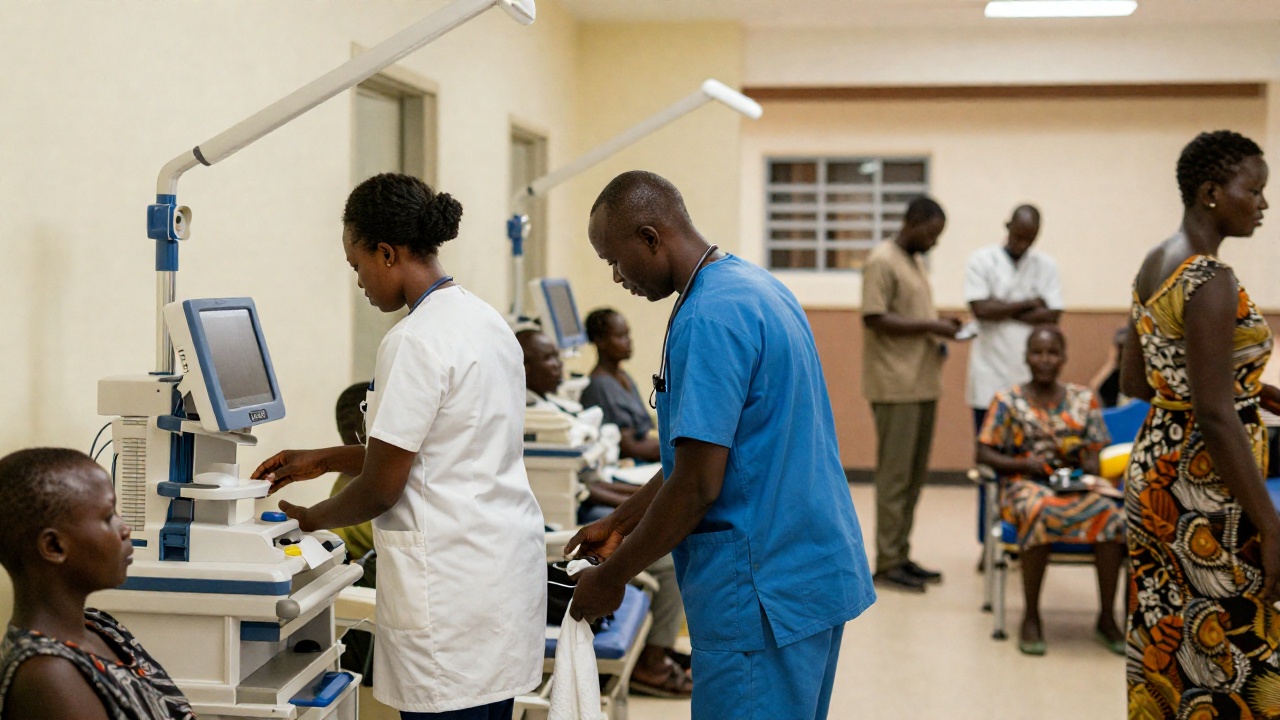
From an institutional standpoint, this budget release is critical for the Ministry of Health, district health offices, public hospitals, and health workers. It dictates how efficiently these institutions can operate, impacting procurement, accountability, and service delivery. The effectiveness of this budget in transforming into tangible improvements, such as better staffing and infrastructure, directly influences public trust in the government's role as a provider of social welfare.
Youth Perspectives
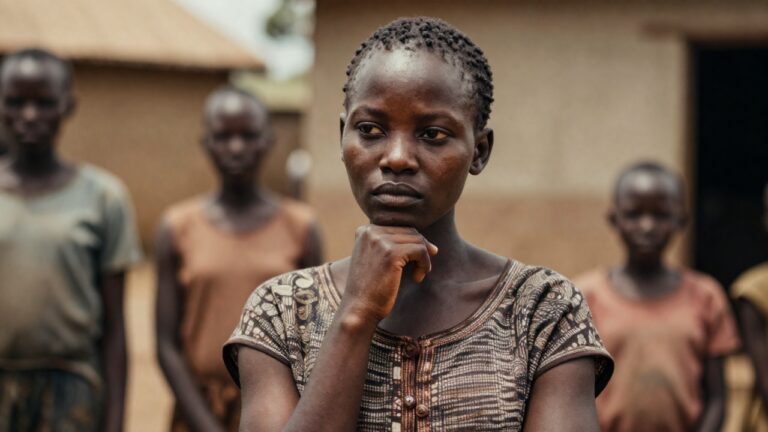
For Uganda's youth, the health sector serves as a battleground for their reproductive health needs, mental well-being, and employment-related health services. Young people's experiences with the health system often shape their perceptions of public institutions' priorities. For many, service delays and inadequacies are perceived as the state’s failure to invest in future generations.
Governance Dimensions
The release of funds also interacts with broader governance themes. Effective budget use hinges on strong public finance management and the elimination of leakages and delays. This health budget allocation provides a lens into the state's governance capabilities, with citizens gauging the government's legitimacy through its ability to deliver on health promises.
Cultural Dimensions
Culturally, health practices in Uganda are intertwined with traditional healing and community-based health strategies. The state’s role in health financing intersects with broader beliefs about health, authority, and community responsibility, influencing how funds are perceived and utilized across different regions.
Future Implications
Looking ahead, the key question remains: Will this allocation translate into improved district-level healthcare? If implemented rigorously, the government could bolster social trust and underscore its commitment to social inclusion. Failure to do so may only perpetuate the cycle of perceived disengagement from the everyday challenges faced by ordinary Ugandans, especially those in underserved areas.
Conclusion
Ultimately, the Shs961.2 billion health allocation is not just a financial commitment; it is a sociological promise to the Ugandan people. Its successful implementation has the potential to enhance not only medical systems but also to address broader social reproduction issues such as family survival, school attendance, and labor productivity.
The full ripple effects of this policy will depend on the state's ability to convert financial promises into meaningful health outcomes. Will Uganda rise to meet these expectations?
For further details, see Nile Post.