Department of Sociology & Anthropology, Makerere University info@usaaug.org 0772 525 487

Muhoozi’s Decision to Reopen NTV and Monitor: A Critical Moment for Ugandan Media Freedom
The reopening of NTV and Daily Monitor marks a pivotal moment in Uganda's media landscape, highlighting the complex interplay between state power and press freedom.

Introduction
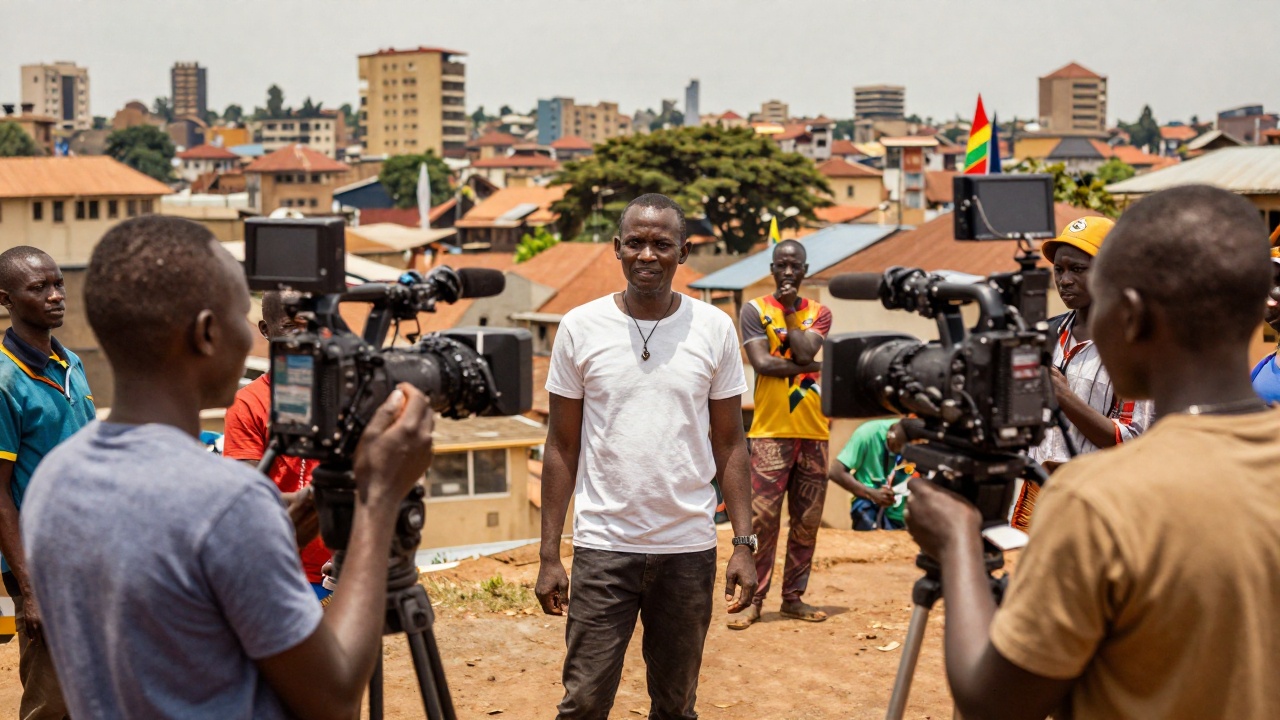
In a significant development for Uganda's media landscape, General Muhoozi Kainerugaba has agreed to reopen NTV and Daily Monitor. This move, covered extensively across national media, becomes a profound marker of the ongoing tension between state authority and media freedom in Uganda. It raises essential questions about governance, political power, and the democratic freedoms of information dissemination.
A Sociological and Anthropological Perspective
Using conflict theory and the public sphere framework, this development illustrates a battle over who controls information in Uganda and challenges the power dynamics between independent journalism and state influence. Institutions, citizens, and journalists engage in a dance of negotiation and resistance, striving to define the public truth.
Historically, Ugandan journalism faces a landscape where editorial independence can be shaped by licensing, advertising, and other pressures. Major outlets like NTV and Daily Monitor have often been at the forefront of disputes over political coverage. Their closure affects not just the media houses but the democratic fabric of Uganda, constricting public debate and freedom of expression.
Institutional Implications
The interaction between media houses, state authorities, and civil society reveals the stress points within the Ugandan polity. Stakeholders including regulatory bodies, journalist associations, and civil society groups become key players in this unfolding drama. Public reaction can swing between concern for press freedom and cautious acknowledgment of the political undercurrents.
Youth Perspectives in Uganda
For young Ugandans, particularly those active on social media platforms, the reopening is emblematic of the digital age's pressures and possibilities. These audiences frequently turn to social media for political news, making such developments symbols of state overreach or the complexities of compromise.
Governance Dimensions
The closure and subsequent reopening of these media outlets reflect deeper governance dynamics. It intersects with ongoing conversations about press freedom, accountability, and the stability of institutions. The event underscores the struggle within Uganda's political sphere to maintain a delicate balance between autonomy and oversight.
Cultural Dimensions
Culturally, the media in Uganda serves multiple roles, from watchdog to elite platform to contested ground for national discourse. This reopening can be seen as a moment of reconciliation or survival through proximity to political power, reflecting on Uganda's national identity and public memory.
Future Implications
Future scenarios may involve renewed self-censorship, stronger media reform demands, or further confrontations unless structural issues are fundamentally addressed. The episode fundamentally challenges whether media freedom in Uganda is yet a temporary settlement or a pattern contingent on political actors' preferences.
Conclusion
With the reopening of NTV and Daily Monitor, Uganda stands at a crossroads in its media journey. The moment offers an opportunity for reflection on the values of democracy, governance, and freedom of expression—critical elements for the nation's future.
Sources
- Pulse Uganda: Pulse Uganda
- Uganda Sociological & Anthropological Association (USAA): USAA Website