Department of Sociology & Anthropology, Makerere University info@usaaug.org 0772 525 487

Symbolic Oversight: The Arrest of UHRC Boss Wangadya in Uganda’s Accountability Dynamics
The recent directive to arrest the UHRC’s chair exemplifies the intricate interplay between Uganda’s accountability mechanisms and institutional authority, unveiling layers of governance, legitimacy, and sociopolitical challenges.

Introduction
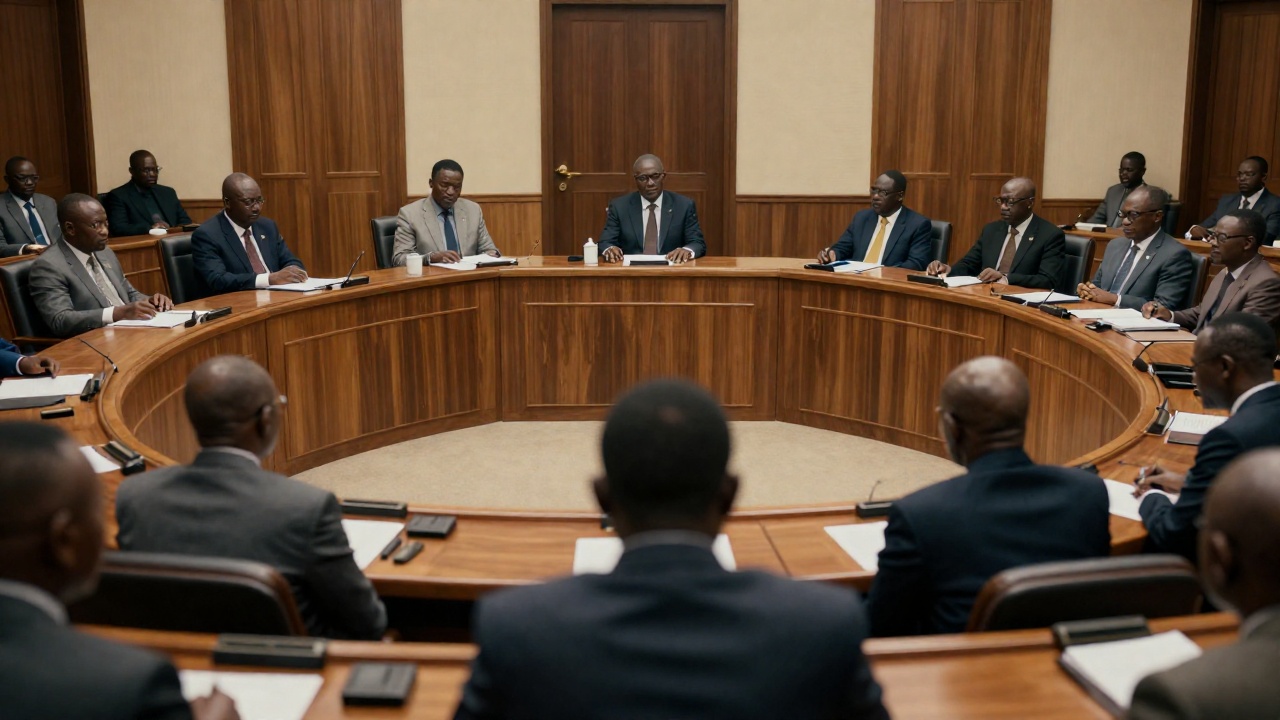
The intricate dance of Ugandan governance has once again come under the spotlight with Parliament ordering the arrest of Mariam Wangadya, the Uganda Human Rights Commission (UHRC) chairperson. This development underscores a conundrum at the heart of institutional and governance frameworks: when accountability guardians become subjects of public scrutiny.
Sociological and Anthropological Analysis
Drawing on the theories of institutionalism and conflict, this unfolding scenario can be read as a power struggle. The UHRC, entrusted with upholding human rights, stands paradoxically accused of dodging accountability—a situation ripe for examining the symbolic power and operational tension in Uganda's oversight bodies. The Auditor General’s report, which triggered this confrontation, is more than a collection of financial data; it represents competing claims over state authority, integrity, and procedural norms.
Institutional Implications
This incident is emblematic of a larger issue within Uganda’s governance architecture: the relationship between formal oversight bodies and constitutional institutions. Historically, struggles over authority—be it executive, legislative, or parliamentary—have shaped Uganda's political landscape. The conflict with COSASE epitomizes Parliament's assertive role as a steward of public resources against stalls of perceived bureaucratic impunity.
Youth Perspectives
For many young, educated Ugandans, this episode feeds into perceptions of bureaucratic theatrics. Skepticism remains high that the disciplinary mechanisms in place primarily target less powerful figures, perpetuating elite impunity.
Governance Dimensions
Governance is under scrutiny not just for transparency but for consistency. COSASE's approach is seen as emblematic of the parliamentary push for accountability, yet similar accountability calls for more powerful officials have often stalled, raising questions about selective enforcement.
Cultural Dimensions
Culturally, the situation taps into deeply ingrained expectations of respect for authority and procedural compliance—values that inform public perceptions of institutional legitimacy. Uganda's political culture prizes accountability as a moral as well as an administrative duty.
Future Implications
Looking forward, the situation invites debate: Will Uganda's public institutions evolve into genuinely accountable entities, or will this episode reinforce narratives of selective compliance? Addressed transparently, it might bolster public trust and accountability norms.
Conclusion
The unfolding struggle between Parliament and UHRC stands as a testament to the complexity of governance in Uganda. It calls for a balanced understanding that upholds accountability without eroding institutional independence. How these tensions are resolved will speak volumes about the future of Uganda’s public trust and governance integrity.
Sources
- Daily Monitor
- Uganda Sociological & Anthropological Association (USAA) website