
Department of Sociology & Anthropology, Makerere University info@usaaug.org 0772 525 487

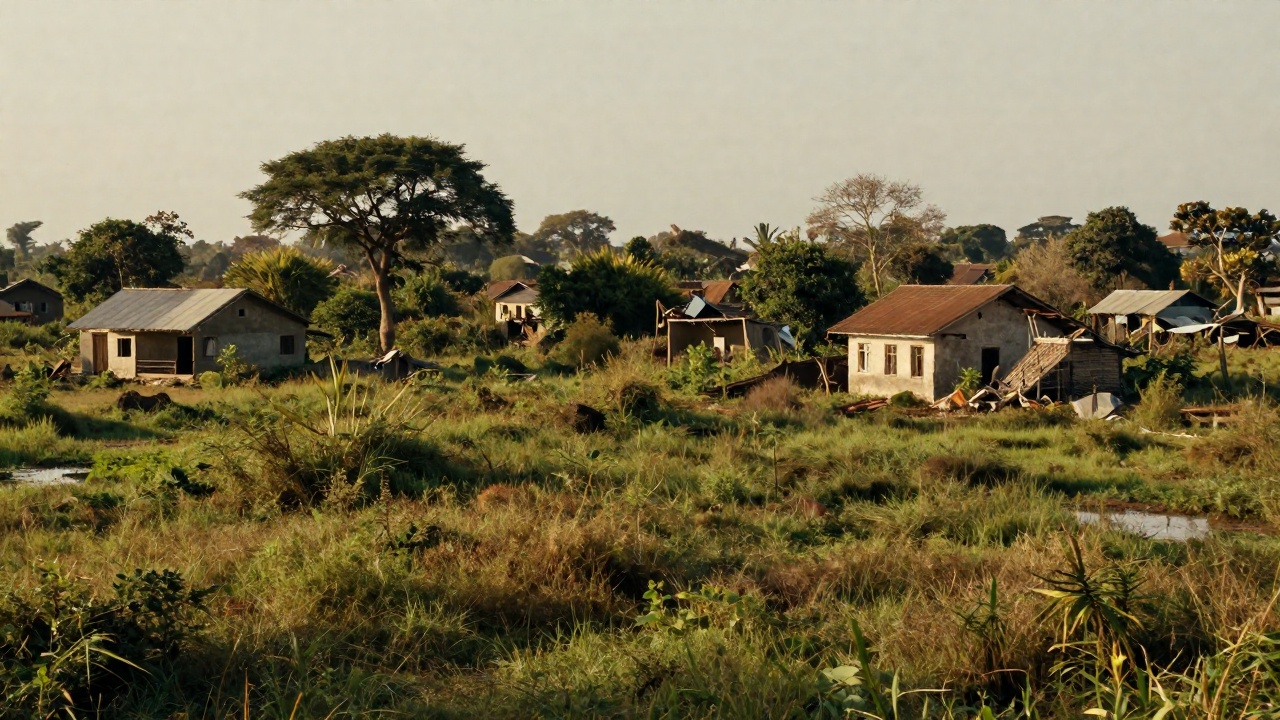
Understanding the Clash Over Ugandan Wetlands: The Ntungamo Enforcement
The recent NEMA operation in Ntungamo where over 50 houses were demolished to protect a wetland raises critical sociological and anthropological questions about land rights, environmental governance, and livelihoods in Uganda.

Introduction
In a bold move, the National Environment Management Authority (NEMA) demolished more than 50 houses and gardens in Ntungamo to restore its wetland. This operation highlights an ongoing struggle between environmental conservation and the livelihoods that depend on informal settlements and agriculture. The core question is whether conservation efforts are effectively balanced with the socio-economic needs of affected families, especially in a country where informal housing forms a substantial part of urban and peri-urban life.
Sociological and Anthropological Analysis
From a sociological standpoint, this enforcement action is a classic case of conflict between state regulations and marginalized community needs. The demographic pressure, coupled with a scarcity of affordable housing, drives many into protected areas. Anthropologically, wetlands are more than just ecological spaces; they are vital to local economies and social cohesion, serving as homes, farms, and trade centers.
Institutional Implications
The role of NEMA, in conjunction with district authorities and political leaders, is pivotal. When enforcement actions are sudden, they expose potential coordination lapses and risk eroding public trust. The focus must shift toward integrated policies that account for land planning and support mechanisms for displaced communities.
Youth Perspectives
Young people are disproportionately impacted by such clearance operations. Often relying on informal employment and transient housing, they face loss of income and increased migration pressures. Addressing their needs involves creating opportunities for secure employment and housing, coupled with educational programs for sustainable agriculture.
Governance Dimensions
Land governance in Uganda faces challenges of weak enforcement and urban pressure. Governance models need to bridge the gap between regulatory imperatives and the lived realities of those dwelling in wetland-adjacent areas. Comprehensive governance should include stakeholder consultation, transparent decision-making, and sustainable resettlement plans.
Cultural Dimensions
Wetlands in Uganda are deeply embedded in cultural and economic fabrics. Their removal disrupts more than just physical structures; it affects kinship relations, local economies, and community networks. Recognizing this cultural aspect is crucial for creating policies that are equitable and effective.
Future Implications
Without a strategic policy shift towards preventive planning, such conflicts will persist. Ugandan authorities need to foster dialogue and develop livelihood transition support to balance ecological restoration with human development needs. This scenario requires moving beyond reactionary enforcement to proactive, inclusive policymaking.
Conclusion
The Ntungamo wetland enforcement serves as a crucial reminder of the delicate balancing act required in Ugandan governance between conserving natural resources and upholding the rights and livelihoods of its most vulnerable citizens. Sustainable solutions lie in informed and inclusive policy frameworks.
Sources:
- Daily Monitor: Link
For ongoing insights, please visit the Uganda Sociological & Anthropological Association (USAA).