Department of Sociology & Anthropology, Makerere University info@usaaug.org 0772 525 487

Uganda’s 2026 Election: The Internet Battle for Civic Trust
As Uganda gears up for its 2026 elections, tensions rise over potential internet restrictions. This reveals the pivotal role digital communication plays in democratic processes, shaping public participation and accountability.

Introduction
The drumbeats of Uganda’s 2026 elections are resonating with ambiance decorated by the promise of ballots and the shadow of screens. The Uganda Communications Commission (UCC) has firmly denied circulating reports of an impending internet blackout during the polling period. Yet, as we explore, the very fabric of digital connectivity—its presence or absence—carries profound implications for governance, civic participation, and electoral fairness.
Sociological Analysis
In the digital age, elections are contests beyond mere votes; they are battles over narratives, visibility, and information flow. Uganda is not alone in this struggle; across the African continent, digital rights and freedoms hang in a delicate balance with state security prerogatives. Here, the control over internet infrastructure reflects broader societal tensions—between authority and freedom, secrecy and transparency.
Institutional Implications
Key institutional actors from the UCC to security agencies and media houses pivot in this arena, each with varying stances on information regulation. The Ministry of Communications’ decision to restrict live coverage of riots and illegal processions indicates a strategic framing of information as a security threat, rather than a public good—an approach that may ensure short-term stability but risks long-term distrust.
The Youth Perspective
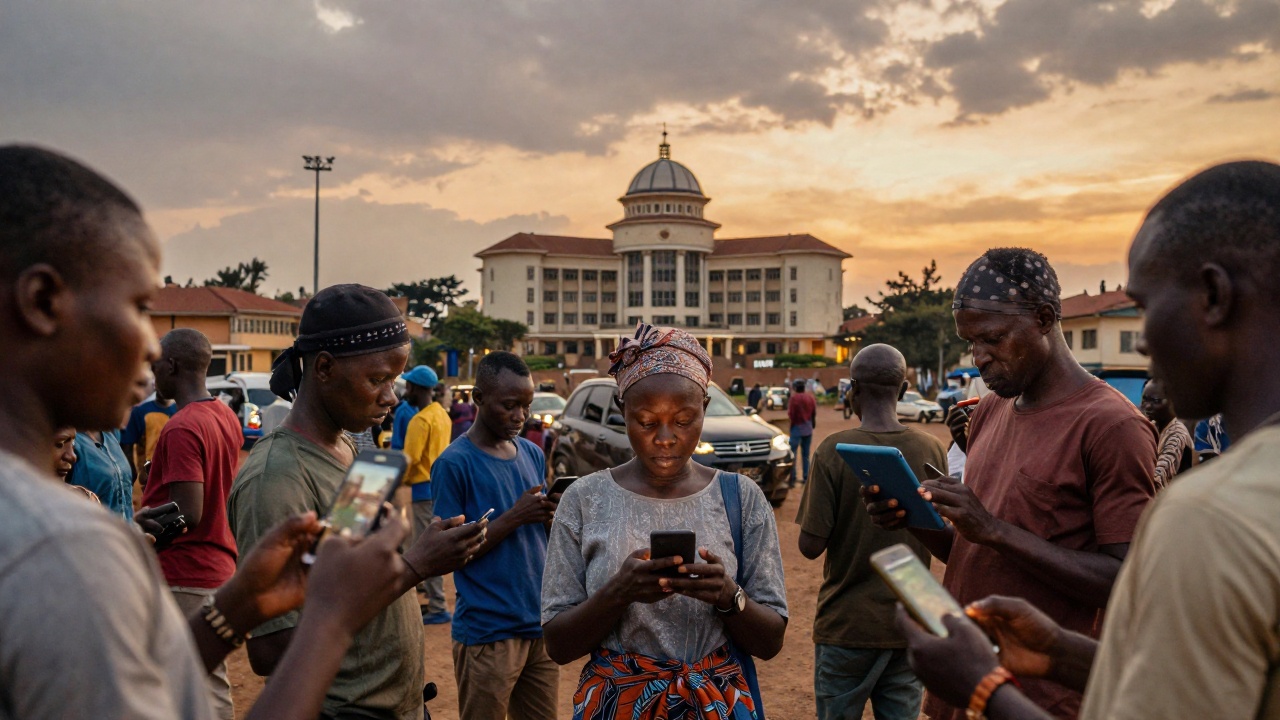
For Uganda’s youth, who view digital access as a cornerstone of their political voice and agency, even rumors of a shutdown are seismic. They represent a generation accustomed to digital engagement, where access intertwines with citizenship. To disempower them technologically is akin to muting their stories of the nation.
Governance and Cultural Dimensions
The handling of digital communications in election times raises questions of governance. If public messages pledge connectivity while limiting transparency through media restrictions, what does this say about the state's democratic ethos? Culturally, this reflects a struggle between traditional authoritative governance and the demand for open, transparent public spheres, a hallmark of the digital age.
Future Implications
Looking ahead, any misstep regarding internet freedom could compound public mistrust, reinforcing skepticism toward electoral integrity. As digital networks become central to public life, ensuring their freedom becomes synonymous with safeguarding democracy. Thus, the balance of openness and control remains a critical, unresolved tension.
Conclusion
The looming elections highlight a crucial intersection of technology, politics, and societal trust in Uganda. Connectivity is not just about cables; it’s about the intangible connections between citizens and their state. As we look forward to 2026, ensuring a free flow of information could mean the difference between a thriving democratic discourse and a muted narrative, controlled beyond the ballot.