
Department of Sociology & Anthropology, Makerere University info@usaaug.org 0772 525 487

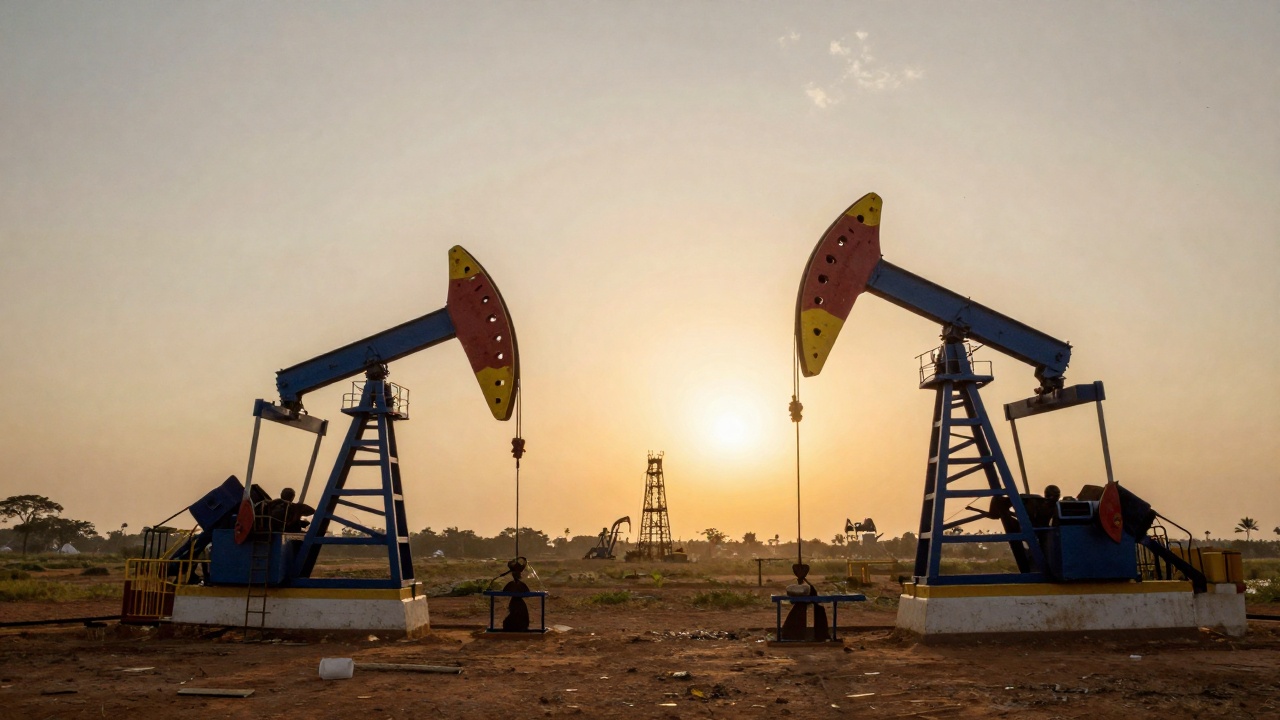
Uganda’s ‘First Oil’ Dream: Analyzing the Shift to 2026 and Its Broader Implications
With Uganda's 'first oil' timeline now set for 2026, this analysis explores the socio-economic and political ramifications of this major national milestone.

Introduction
Uganda's journey to becoming an oil-producing nation has been a much-anticipated narrative, with the ‘first oil' milestone now shifted to June 2026. This development brings forth questions about the country's readiness and the broader socio-economic implications of this delay. According to The Independent Uganda, officials have confirmed this timeline as fixed, signaling confidence amidst growing public scrutiny.
Sociological and Anthropological Analysis
From a sociological standpoint, oil has transcended its status as a mere resource in Uganda, morphing into a symbol of national progress, state legitimacy, and economic transformation. According to political economy and extractivism theory, state-led promises related to resource extraction can significantly influence public trust in government institutions and exacerbate inequality if not managed equitably. The significance of oil is not just technical but also deeply intertwined with national identity and expectations for modernity.
Institutional Implications
The credibility of Uganda's institutions is under the microscope, as the success of the oil project hinges on the regulatory capacity of the petroleum sector, transparency, and the effective use of oil revenues. Public confidence can erode if the government fails to deliver on its promises, particularly among young people seeking economic opportunities and discouraged by unemployment.
Youth Perspectives
For Uganda's youth, the ‘first oil' has long been a beacon of hope for employment, skills development, and infrastructure improvement. The delay to 2026 is likely to heighten tensions, with youth increasingly perceiving the promise of oil as a distant and unattainable dream unless aligned with clear job opportunities and skills transfer programs.
Governance Dimensions
Governance structures play a critical role in ensuring the equitable distribution of oil revenues. Effective governance must mitigate the risk of the ‘resource curse,' where oil wealth leads to economic disparity instead of societal prosperity. Strong institutions are essential to regulating revenue, ensuring fair land acquisition, and protecting the environment.
Cultural Dimensions
Oil's symbolic weight as a marker of national pride also holds potential cultural discord. If local communities in oil-rich areas like the Albertine Graben are excluded from benefits, it may exacerbate social inequality and foster regional dissatisfaction. Therefore, managing these cultural and social dimensions will be paramount to achieving national unity and sustained growth.
Future Implications
The realization of Uganda's ‘first oil' holds promise for public revenue, infrastructure financing, and enhanced investor confidence. However, failure to address risks such as revenue volatility and overreliance on oil might dampen these prospects. The future outcome will depend on the state's ability to convert oil wealth into a catalyst for transparent governance and inclusive development.
Conclusion
Uganda's oil dream stands at a crossroads, with a new deadline that reflects both promise and challenge. The success of this endeavor will not only be measured by barrels produced but by the tangible benefits delivered to Ugandans. Wise governance, equitable resource distribution, and community inclusivity are essential to ensure that ‘first oil' becomes a symbol of national achievement and shared prosperity.
Sources
- The Independent Uganda: Uganda's first oil dream shifted to June 2026
- Uganda Sociological & Anthropological Association: USAA