
Department of Sociology & Anthropology, Makerere University info@usaaug.org 0772 525 487

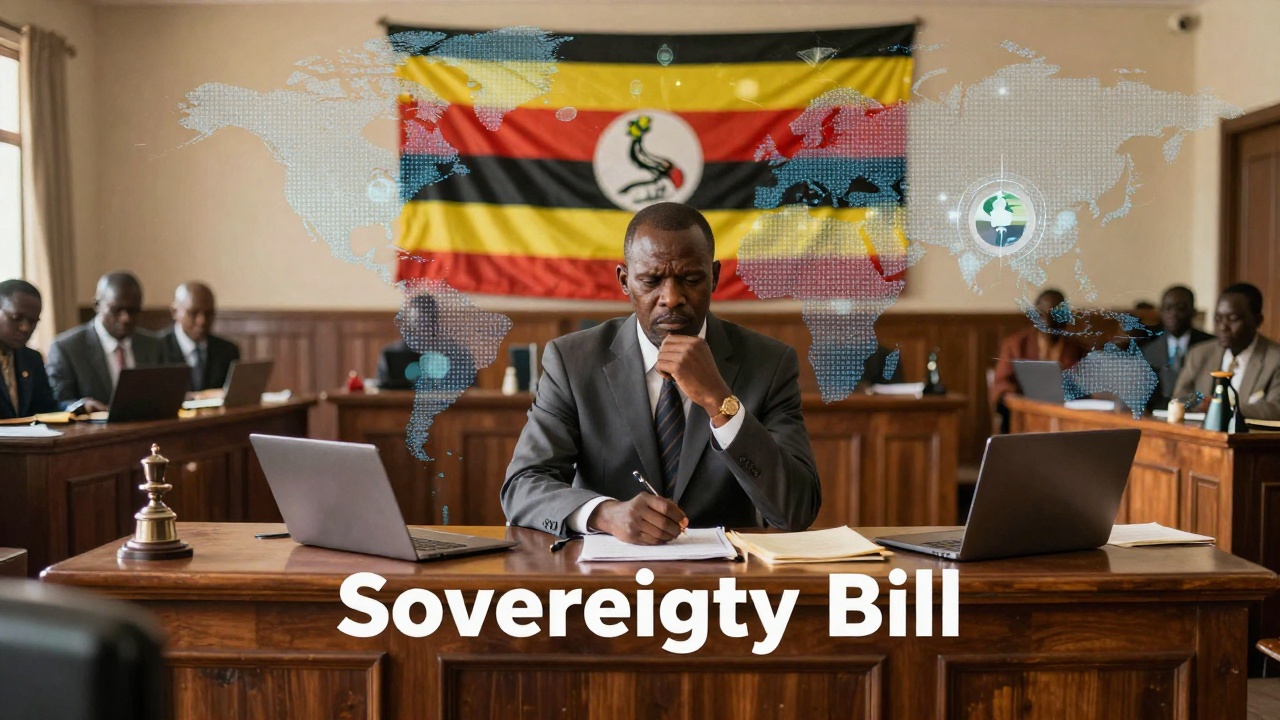
Uganda’s Controversial Sovereignty Bill: A Shield or a Trap?
Exploring the implications of Uganda's proposed Sovereignty Bill on citizenship, civic space, and everyday life in an interconnected world.

Introduction
In recent discussions, Uganda’s proposed Sovereignty Bill has sparked concerns about its broad definitions, which aim to shield the country from harmful foreign interference. Critics argue that the bill may inadvertently entangle ordinary economic, academic, civic, and diaspora activities in legal risk. This analysis examines the bill's potential impacts on Ugandan society, focusing on its definitions of sovereignty and interference.
Sociological Analysis
The bill’s objective to protect against foreign interference is complicated by its vague language. This could blur the lines between legitimate cooperation and suspicious conduct, leading to punitive measures against ordinary transnational engagements. Theoretically, what the bill defines as ‘sovereignty' can significantly reshape concepts of citizenship and civic space in Uganda.
Institutional Implications
Institutions like universities, NGOs, and faith-based organizations are likely to face increased scrutiny under this bill. The vague criteria for what constitutes interference could result in a legal landscape where discretion is the norm. This environment fosters self-censorship among professionals and civic leaders, potentially stifling innovation and reducing willingness to engage internationally.
Youth Perspectives
For Uganda’s young population, the practical consequences of the bill outweigh ideological concerns. Dependence on foreign scholarships, cross-border trade, and digital platforms is widespread. Any disruption to these channels risks exacerbating insecurity and constraining opportunities for economic advancement and education.
Governance Dimensions
Historically, Uganda has balanced state control with social openness using laws that emphasize security and national independence. The proposed bill fits this pattern, potentially expanding state authority into transnational domains. The key governance challenge is to reconcile the need for sovereignty with legitimate international cooperation and civic expression.
Cultural Dimensions
Sociologically, the bill raises questions about national identity in an era of globalization. Many Ugandans operate within both local and global networks. The diaspora, in particular, contributes significantly through remittances and dialogue. Categorizing such connections as suspect could deepen social anxieties and reinforce divides between perceived patriots and outsiders.
Future Implications
The future of the Sovereignty Bill depends largely on its final form. If it retains its broad clauses, it may perpetuate legal ambiguity and deepen mistrust between citizens and the state. Conversely, a revised bill that clearly distinguishes harmful interference could balance security needs with the realities of a globalized society.
Conclusion
As Uganda navigates this legislative crossroads, the broader sociological questions involve state power, legitimacy, and the treatment of transnational activities. Institutions must find a way to secure sovereignty without compromising the essential social connectivity that drives innovation and community support in a modern, interconnected world.