
Department of Sociology & Anthropology, Makerere University info@usaaug.org 0772 525 487

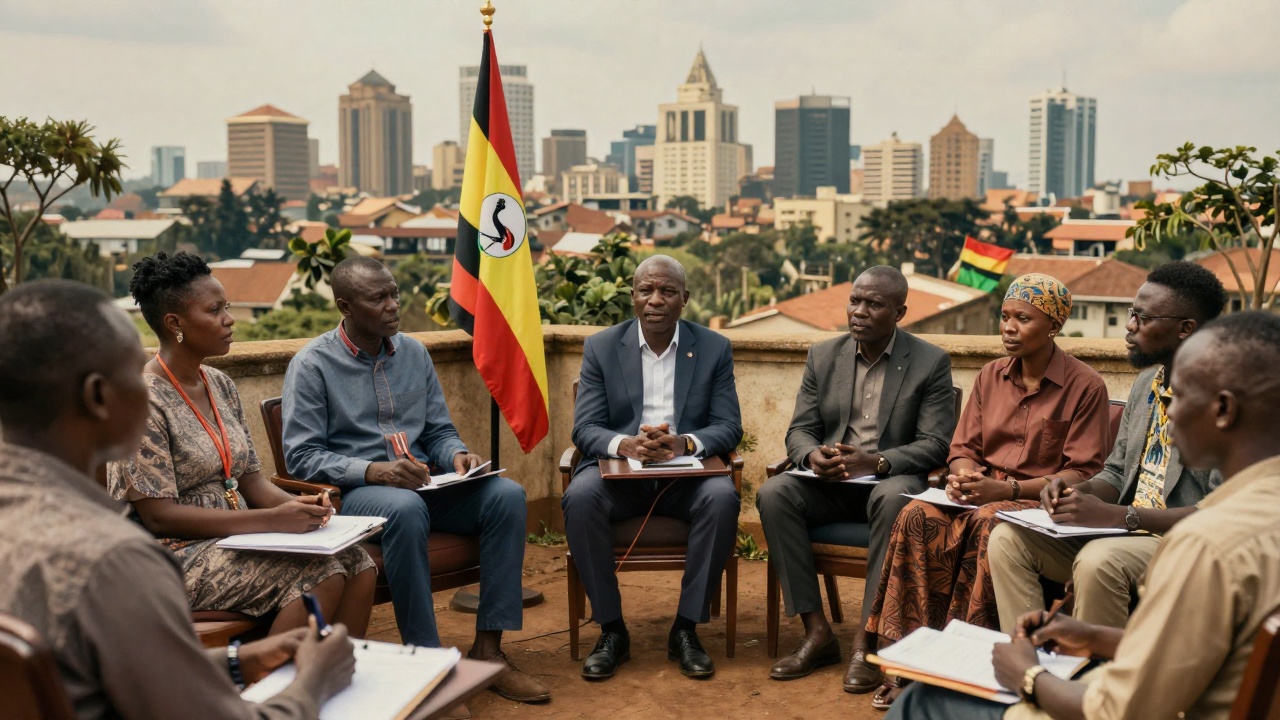
Economic Sovereignty Vs. Globalization: A Crossroads for Uganda’s Future
The Bank of Uganda's critique of the Protection of Sovereignty Bill 2026 ignites debates over national identity and economic policy amid rising political tensions.

Introduction
As Uganda approaches its highly anticipated 2026 general elections, the nation stands at a crucial crossroads. The controversial Protection of Sovereignty Bill 2026 has sparked heated discussions, revealing the intricate interplay between economic globalization and cultural nationalism. Proposed by opposition lawmakers, the bill intends to restrict foreign land ownership and influence in critical sectors, allegedly safeguarding Uganda's national sovereignty. However, the Bank of Uganda has publicly denounced the bill, emphasizing its potential threats to the economy.
Sociological Analysis
In Uganda's complex socio-political landscape, the relationship between land and identity is deeply rooted. Land ownership carries historical and cultural connotations, harking back to colonial policies that marginalized local communities for the benefit of foreign entities. The bill taps into these deep-seated sentiments, echoing pan-African aspirations for self-determination. Yet, the risk lies in fueling an exclusionary nationalism reminiscent of past conflicts, such as the 1972 expulsion of Asians under Idi Amin.
Institutional Implications
The Bank of Uganda's criticism underscores a significant rift between fiscal policy controlled by the executive and the ambitions of the legislative arm, particularly from opposition factions like the National Unity Platform (NUP). Multinational corporations express concerns over potential expropriation, while local businesses fear that the bill could lead to an investment drought, worsening capital flight and economic instability.
Youth Perspectives
With over 78% of Uganda's population under the age of 35, the youth play a pivotal role in shaping the nation's future. Unemployment hovers at 13%, making economic opportunities a focal point for young Ugandans. The bill promises increased agency, but also carries the risk of derailing job-creating investments, a critical concern for the nation's youth, who are leveraging platforms like social media to voice their nationalist sentiments.
Governance Dimensions
The debate surrounding the bill serves as a microcosm of Uganda's broader governance challenges. The struggle between nationalist policies and international economic commitments could embolden populist measures, potentially destabilizing technocratic institutions. Conversely, rejecting the bill might bolster narratives of elite control, further polarizing the electorate.
Cultural Dimensions
Culturally, the bill resonates with a broader movement to define ‘Ugandanness,' pushing back against global influences and aligning with conservative values promoted by influential societal entities, such as evangelical churches. This push for cultural purity offers solace to some communities but raises concerns over global isolation.
Future Implications
The future implications of this legislative saga hinge on several factors. A moderated version of the bill could potentially balance national self-determination with economic pragmatism, fostering inclusive development and sustaining foreign investments. However, if issues remain unresolved, Uganda could face social conflict, capital outflows, and strained regional ties with the East African Community.
Conclusion
As Uganda navigates the evolving landscape of modern global capitalism, the story of the Protection of Sovereignty Bill 2026 acts as a lens through which the nation’s hybrid modernity is observed. The bill encapsulates the ongoing struggle to reconcile global economic integration with local cultural ontologies, with profound implications for national identity, governance, and social cohesion.